The Natural Bedding Guide
Responsible Sourcing: From British Farms to British Mills
Why knowing where things come from is so important
Responsible sourcing is not just about choosing a material.
It is about understanding the story behind it.
Where has it come from?
Who has handled it?
How has it been prepared?
What standards sit behind it?
How far has it travelled?
Can it be traced?
Can it be trusted?
At Devon Duvets, these questions are central to the way we work.
When we choose materials for our bedding, we are not simply looking for something that sounds natural on a label. We are looking for materials with provenance, purpose and a supply chain we can understand.
That is why British wool has always been at the heart of what we do.
Keeping the supply chain closer to home
In a world where many products are made through long, distant and anonymous supply chains, we believe there is value in keeping things closer to home wherever possible.
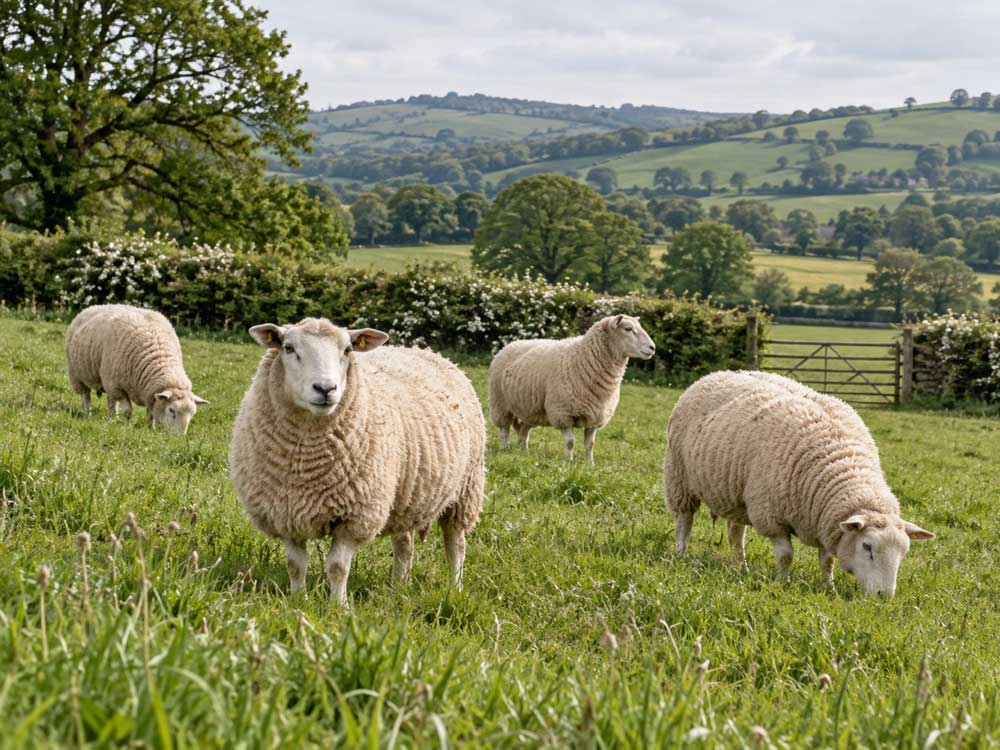
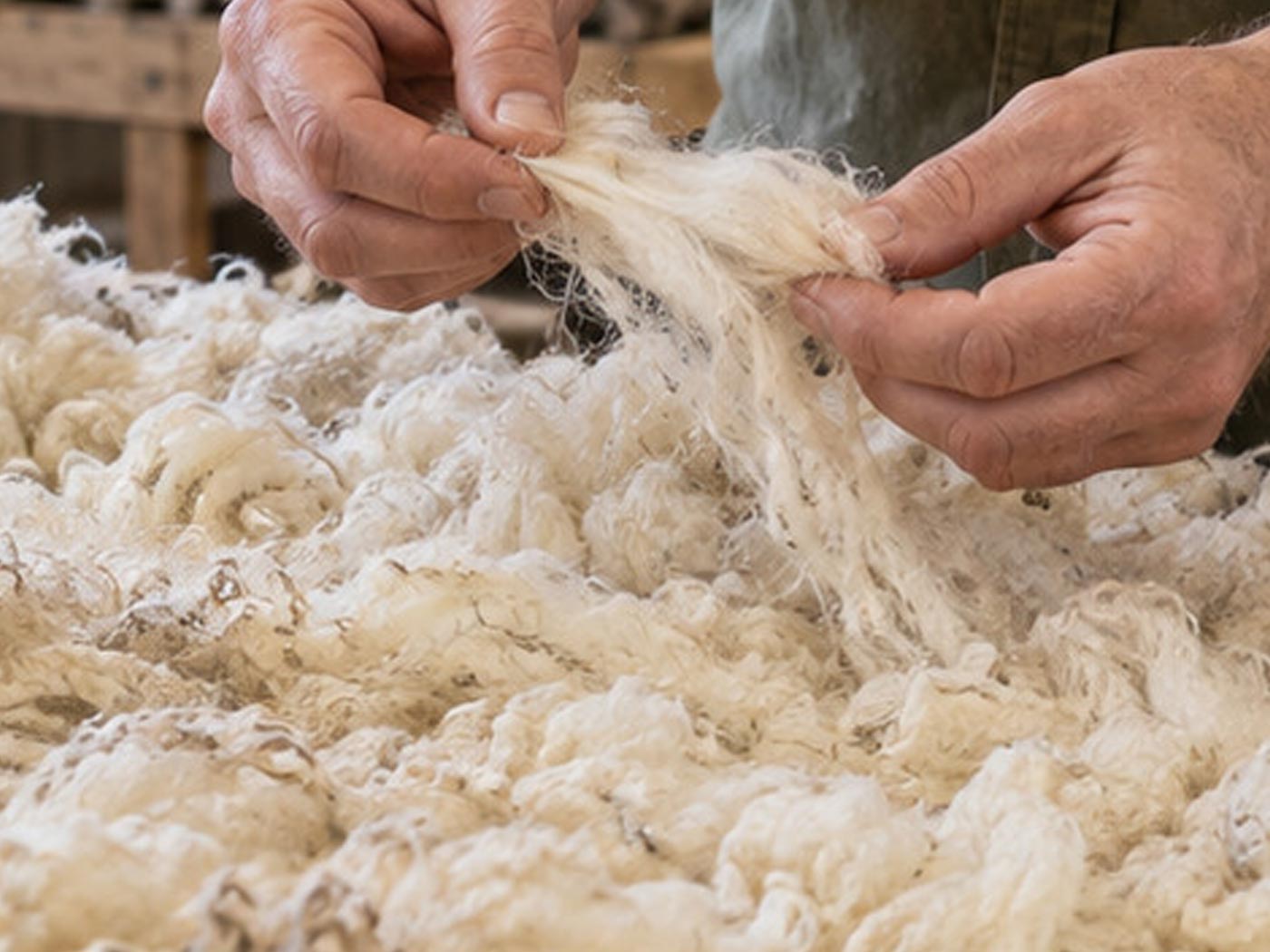
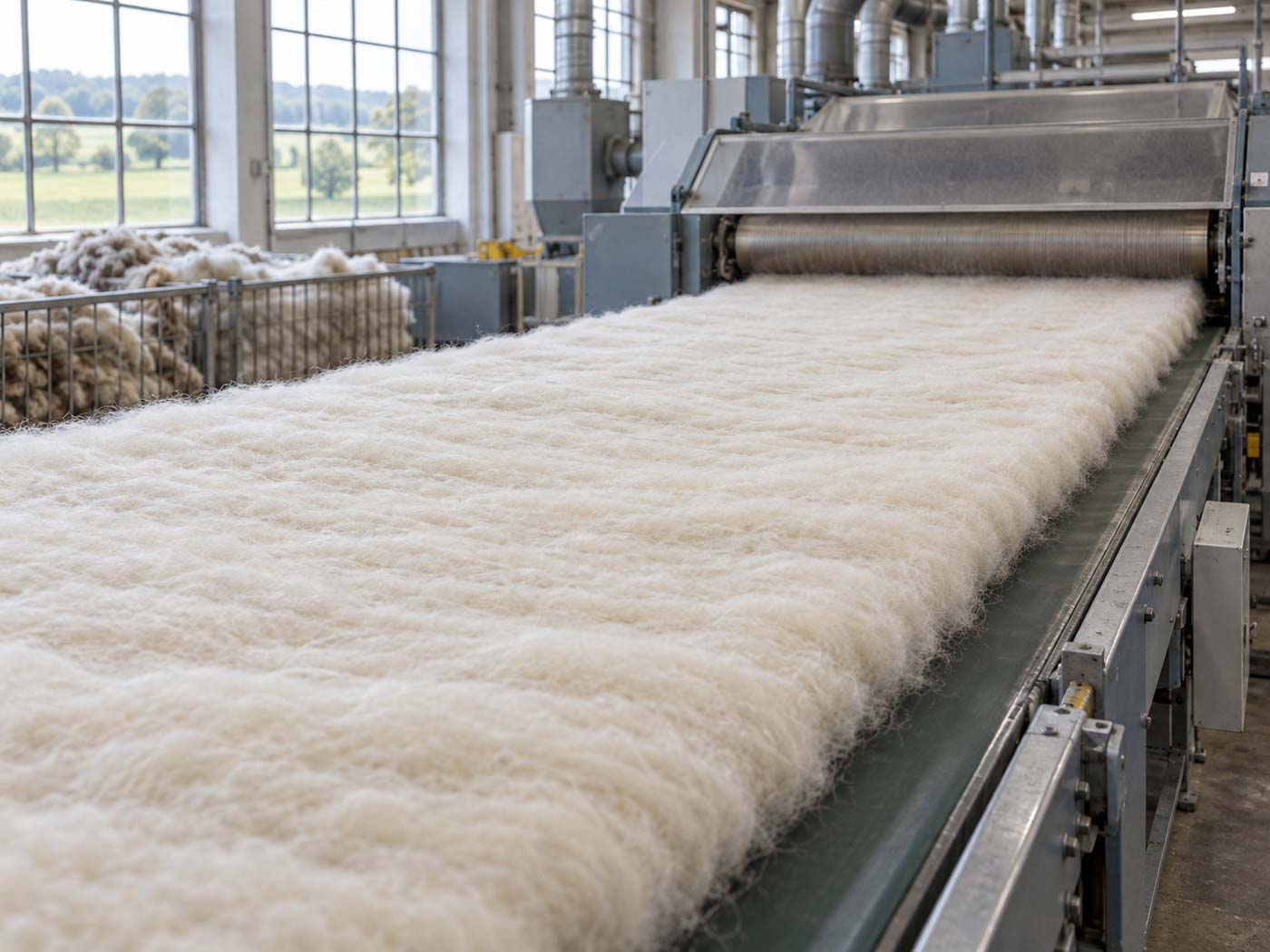
Our wool comes from British farms, with many of those farms in Devon and the South West. It is then cleaned, prepared, carded and needled tour specifications by specialist British processors before it comes to our Devon workshop to be made into bedding.
The closer we are to the source and the process, the more knowledge and accountability we have.
We are not relying on anonymous filling from an unknown supply chain. We are not buying finished bedding and simply putting our name on it. We are involved in the choices that happen before the finished product exists.
That involvement gives us confidence in what we make.
Supporting skills worth protecting
Responsible sourcing is also about people.
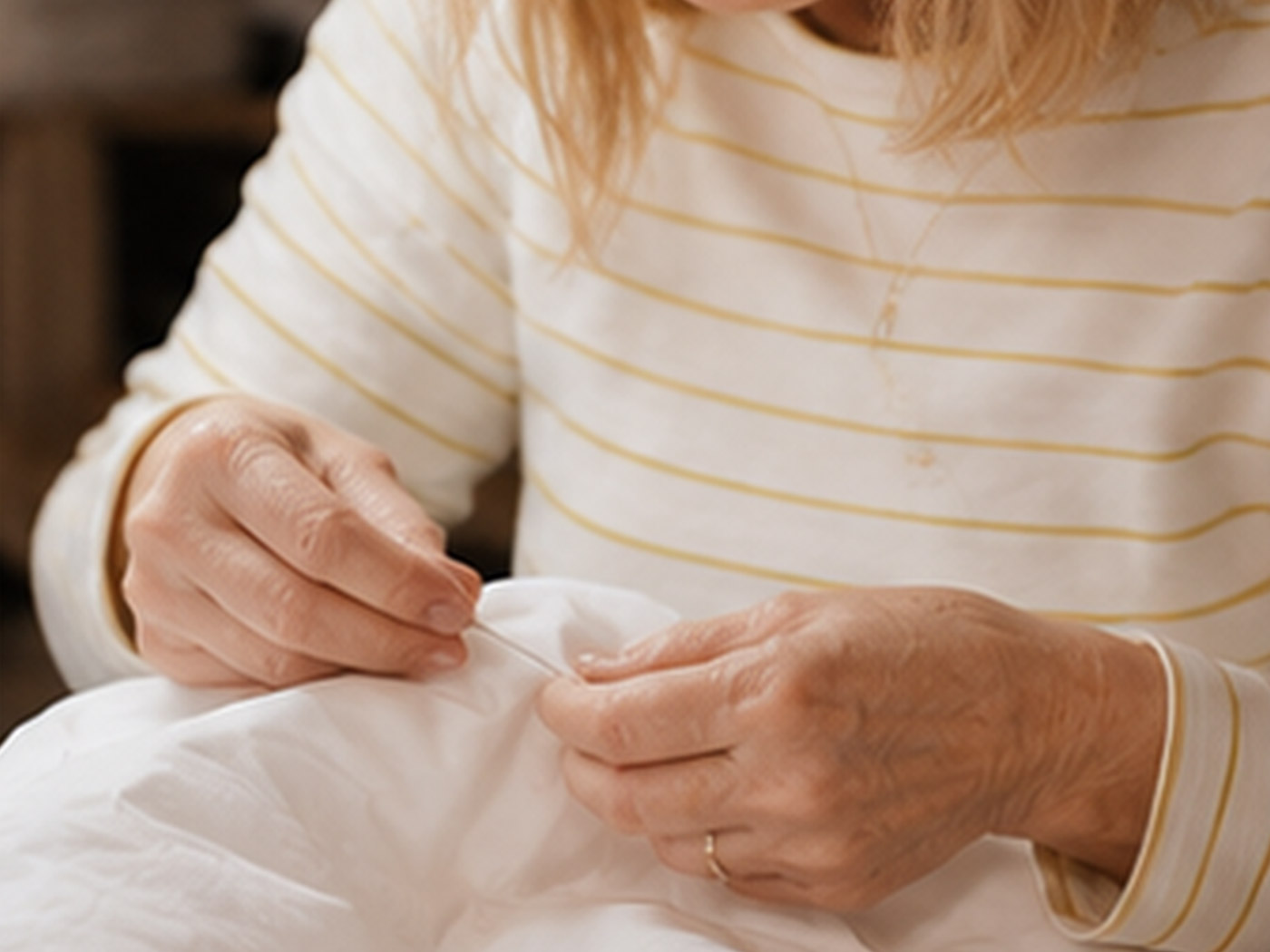
Behind every Devon Duvets wool duvet, pillow and mattress topper is a chain of skills: farming, shearing, sorting, grading, cleaning, processing, needling, cutting, sewing, finishing and packing.
These are practical skills. Rural skills. Textile skills. Making skills.
They are part of Britain’s farming and manufacturing heritage, and they are worth protecting for the future.
By sourcing British wool, working with British processors and mills and our own seamstresses, we help support a network of people and skills that could so easily be lost in a world of cheaper imports and mass production.
We know we are only one business, but the way we choose to make our products has a wider effect.
It helps support British farmers, specialist processors, skilled makers, local jobs and the knowledge behind real British manufacturing.
Traceability gives us responsibility
Traceability is sometimes spoken about as though it is simply a sales feature.
For us, it is much more than that.
Traceability gives us responsibility. It means we can make informed choices about the wool we use and the sources we are prepared to accept.
It is one of the reasons we do not use lamb fleeces or winter shearing. It is also why we do not use wool that is a by-product of the slaughterhouse.
Instead, we use wool from sheep that have been shorn as part of their normal care and welfare.
That distinction is important to us because natural bedding should not only feel good. It should feel considered.
Choosing British mills and processors
The mills and processors we work with are an important part of the story.
Raw wool cannot become bedding without skilled preparation. It needs to be cleaned, carded and needled into layers that are suitable for use inside duvets, pillows and mattress toppers.
By working with specialist British processors, we can stay closer to this part of the supply chain too.
We can guide and oversee how the wool is prepared.
We can ensure the correct controls and permissions are in place.
We can keep the process connected to the standards we expect.
We can make sure the wool remains suitable for the kind of bedding we want to make.
This is not only about quality. It is about trust.
Responsible sourcing is not a slogan
There are many words used in bedding: natural, sustainable, ethical, responsible, luxury.
For us, those words only mean something if there is work behind them.
Responsible sourcing means asking questions before the material reaches our workshop. It means choosing suppliers carefully. It means knowing the difference between anonymous filling and traceable fibre. It means valuing the people and skills behind the product.
It also means accepting that the easiest route is not always the best one.
It would be simpler to buy ready-processed filling from wherever it is cheapest. It would be easier to import finished products. It would be quicker to step away from the details.
But that is not the Devon Duvets way.
We believe the way something is sourced affects the way it feels, the trust behind it and the story it carries into the home.
From British farms to British bedding
Responsible sourcing is not separate from comfort.
It is part of it.
When you sleep beneath one of our wool duvets, rest on one of our wool pillows or add one of our wool mattress toppers to your bed, you are sleeping with more than a natural fibre.
You are sleeping with a material that has been chosen carefully, sourced responsibly, prepared by skilled processors and made into bedding by people who understand what they are making.
From British farms to British mills.
From raw fleece to soft wool layers.
From our Devon workshop to your home.
Each stage has been considered.
Because responsible sourcing is not only about where something begins.
It is about making sure every choice along the way is made with care.