
Warmth
Your head and face naturally release warmth throughout the night.
The Devon Duvets Pillow Guide
Your pillow may look innocent enough. It sits neatly on the bed, tucked inside a clean pillowcase, looking soft, fresh and harmless.
But every night, your pillow has one of the closest relationships with your body.
It rests beside your skin, hair, mouth and nose. It supports your head and neck. It sits close to the air you breathe while you sleep.
So how clean is your pillow, really?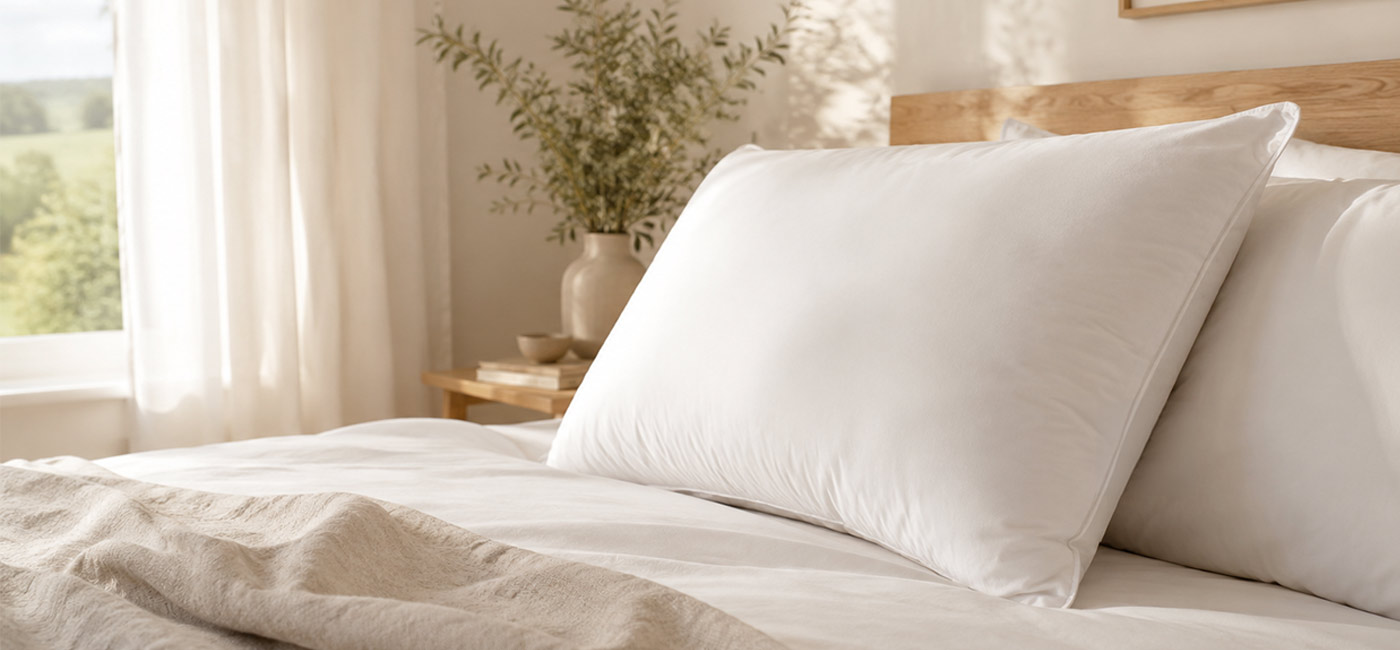
Your pillow has a busy night
Every pillow is used in very close contact with the body. That is entirely normal. The important question is what happens to warmth and moisture once they reach the pillow.
Your head and face naturally release warmth throughout the night.
Breathing and natural perspiration can introduce moisture into the pillow.
Tiny traces of skin cells and natural hair oils may gather over time.
Skincare, hair products and cosmetics may transfer gradually to the pillow.
Like every textile in the bedroom, a pillow is exposed to ordinary household dust.
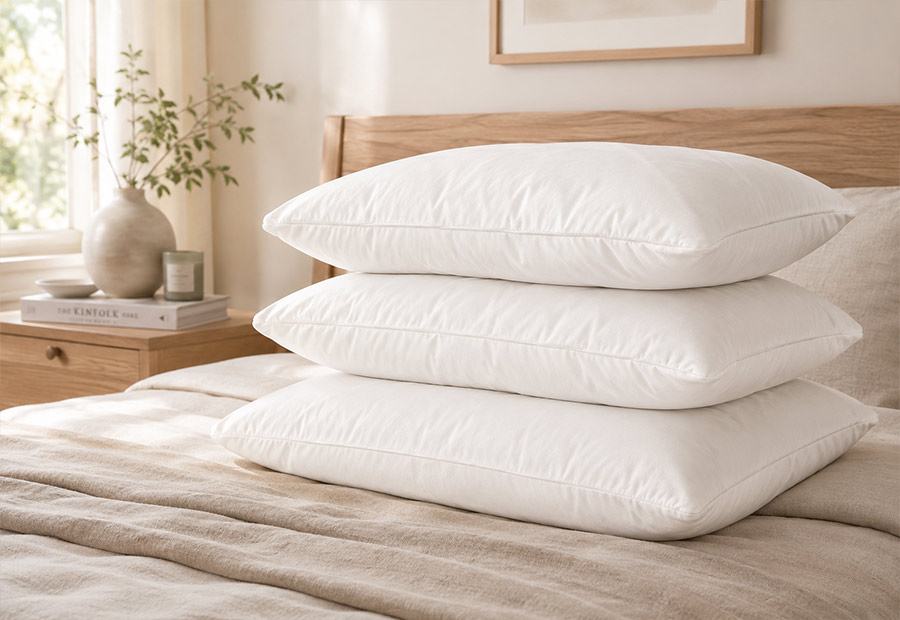
Why pillow hygiene matters
If a pillow does not breathe well, warmth and moisture can become trapped inside.
Over time, this may make the pillow feel less fresh and may create the kind of warm, humid environment that dust mites prefer.
Because your pillow sits so close to your face and breathing space, it can affect how fresh and comfortable your sleep feels.
A pillow that does not manage moisture well may begin to feel warm, clammy or stale. For people who are sensitive to dust mite allergens, the type of pillow filling can also be important.
Why wool is different
Wool is breathable, moisture managing and temperature regulating.
It helps air and moisture move more naturally instead of trapping warmth and dampness close to the head and face.
Wool is also naturally resistant to dust mites, making it a thoughtful choice for people who are sensitive to dust mite allergens.
At Devon Duvets, our wool pillows are made using natural British wool and cotton. The wool is not bleached or chemically treated, allowing it to retain as many of its natural qualities as possible.
A pillow that can breathe
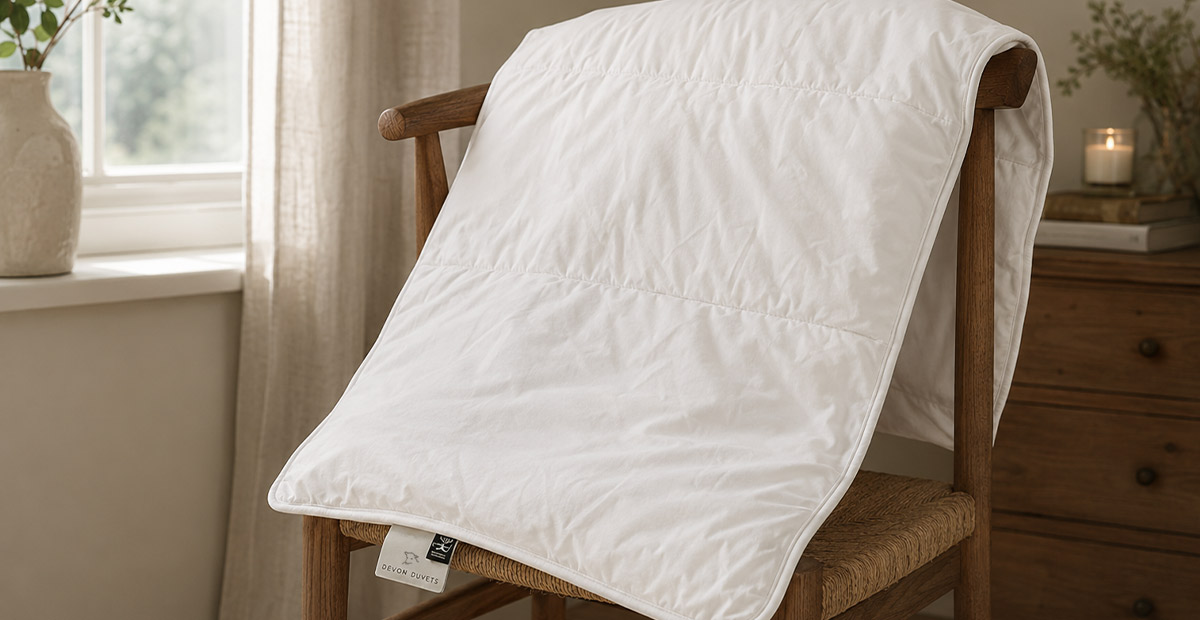
One of the best things you can do for a wool pillow is to let it breathe.
Fresh air helps moisture move away and allows the wool to refresh naturally.
On a dry day, place your pillow outside for a few hours. When the weather is damp, air it indoors over a clothes airer, over the back of a chair or beside an open window.
Regular airing is simple, gentle and often far more useful than repeatedly washing a natural wool pillow.
Why a clean pillowcase is only part of the story
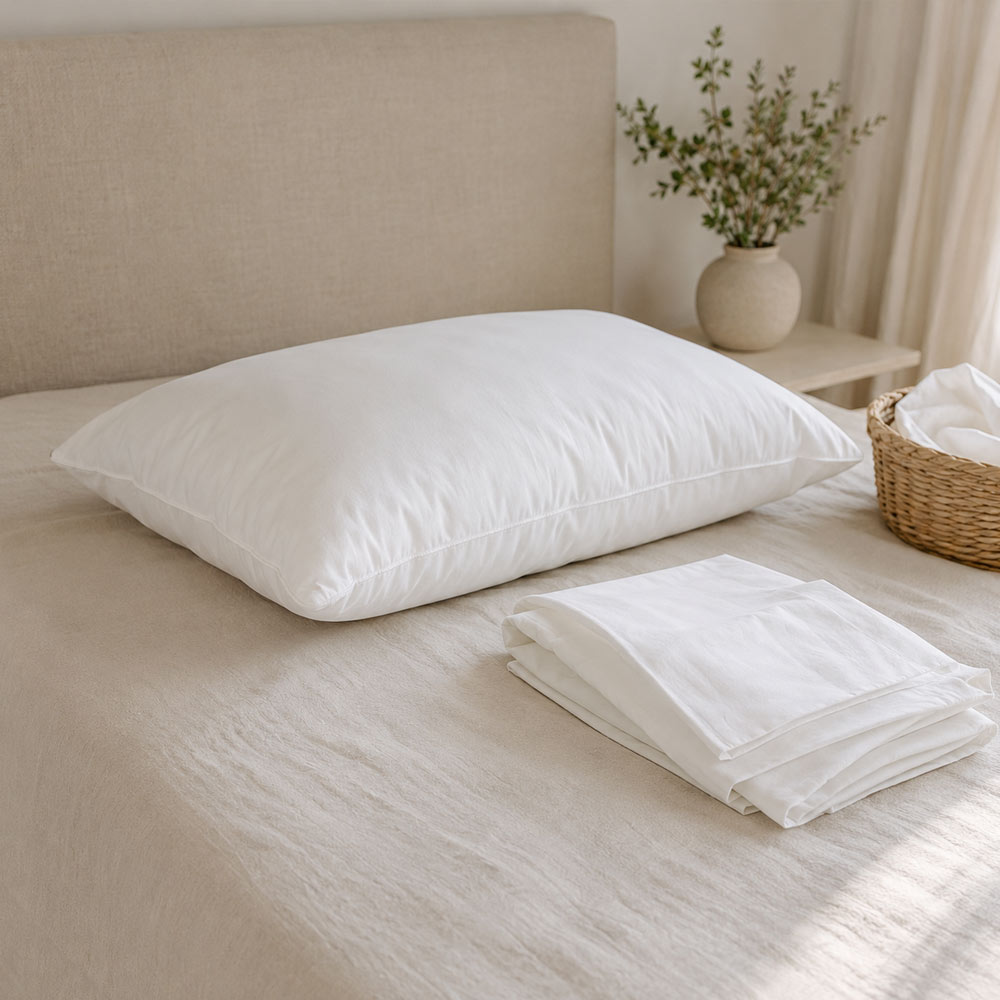
A regularly changed pillowcase protects the surface of the pillow and helps keep the area closest to your skin feeling clean.
The pillow itself still benefits from regular airing. This helps moisture move away and keeps the wool feeling fresher for longer.
Think of it like opening a window in a tidy bedroom. The room may already look clean, but fresh air still makes it feel better.
Signs to look for
A pillow should feel fresh, breathable and comfortable. Not abandoned beneath a clean pillowcase and quietly left to develop its own ecosystem.
The pillow no longer offers the loft or support it once did.
Airing may help if the pillow has not been refreshed for some time.
Warmth around the head may suggest the pillow is not managing moisture comfortably.
People sensitive to allergens may wish to reconsider their pillow filling and care routine.
Even a clean-looking pillow benefits from occasional fresh air.
Filling that no longer recovers may mean the pillow needs care or replacement.
Your sleeping position and support needs may have changed over time.
If your pillow’s history has been lost to folklore, it may deserve a proper inspection.
A simple fresh-pillow routine
Wool does not require a complicated care ritual. A few straightforward habits can help keep your pillow feeling fresher and more comfortable.
Natural cotton provides a breathable layer between your pillow and your skin.
Replace and wash your pillowcase as part of your normal bedlinen routine.
Air your pillow whenever you change your sheets or whenever it begins to feel less fresh.
Remove the loose wool filling and let it breathe separately before returning it to the casing.
Open every section so that more fresh air can reach the wool.
Store and air pillows in a dry, well-ventilated part of the home.
Gently redistribute loose wool or reshape folding sections when required.
Different pillow constructions require different washing and care methods.
Designed to be refreshed
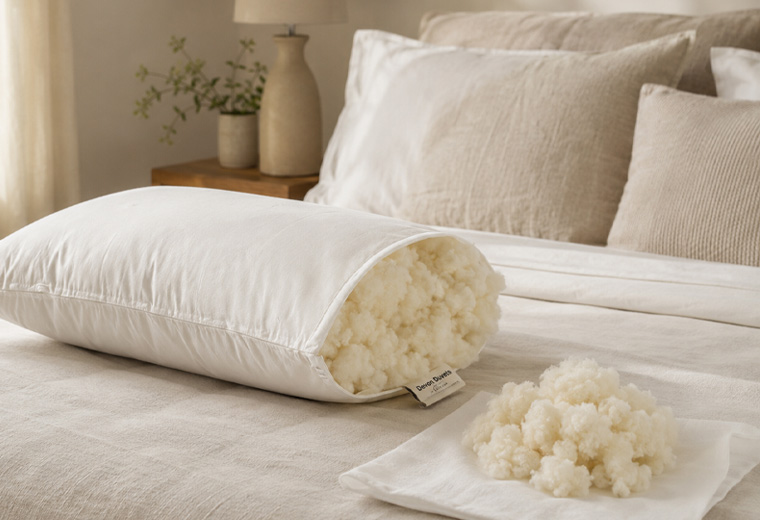
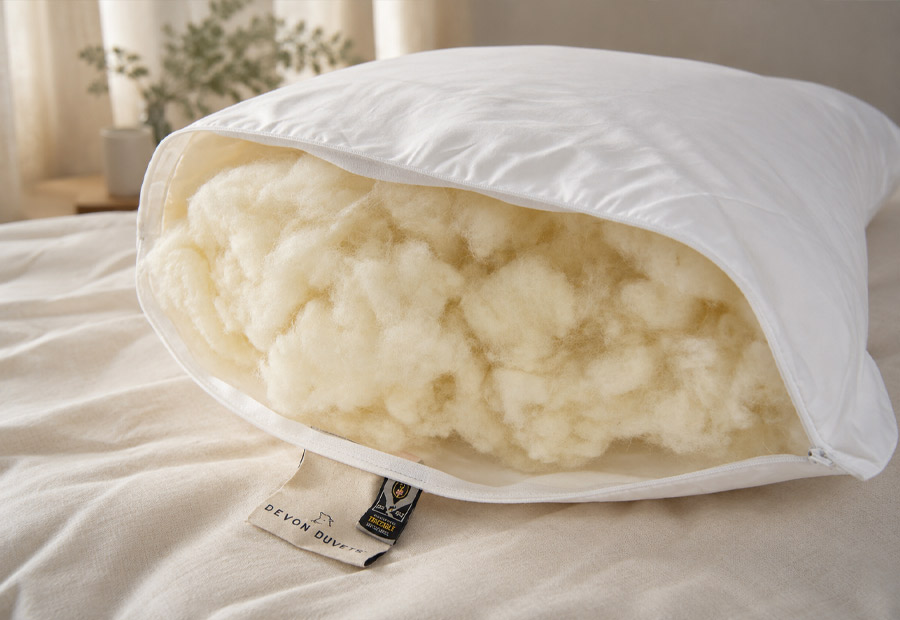
Our adjustable wool pillows contain loose wool inside a zipped cotton casing.
The filling can be removed and spread over a clean cotton sheet or dry surface, allowing air to move through the wool before it is placed back inside.
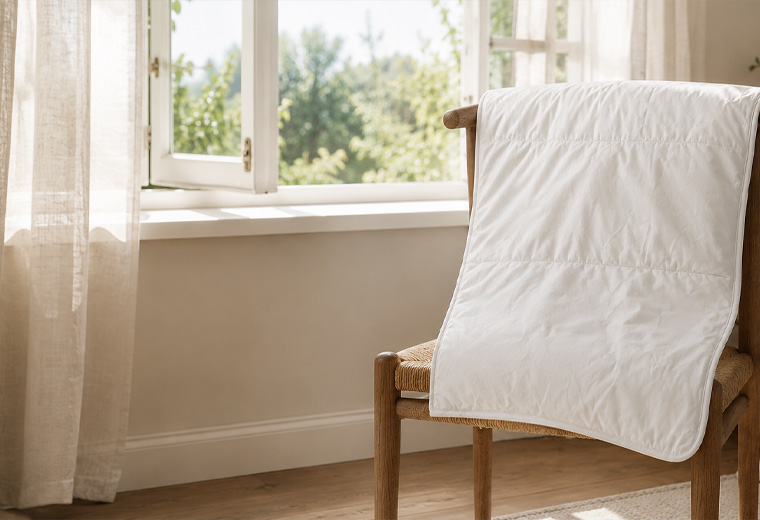
Folding Wool Pillows are particularly easy to refresh because each section can be opened out.
This exposes more of the pillow to circulating air and helps moisture move away naturally.
More than freshness
Folding Wool Pillows were designed to be adaptable as well as easy to refresh.
Because the pillow can be unfolded, air can reach a greater area of the wool. This helps the pillow release moisture naturally.
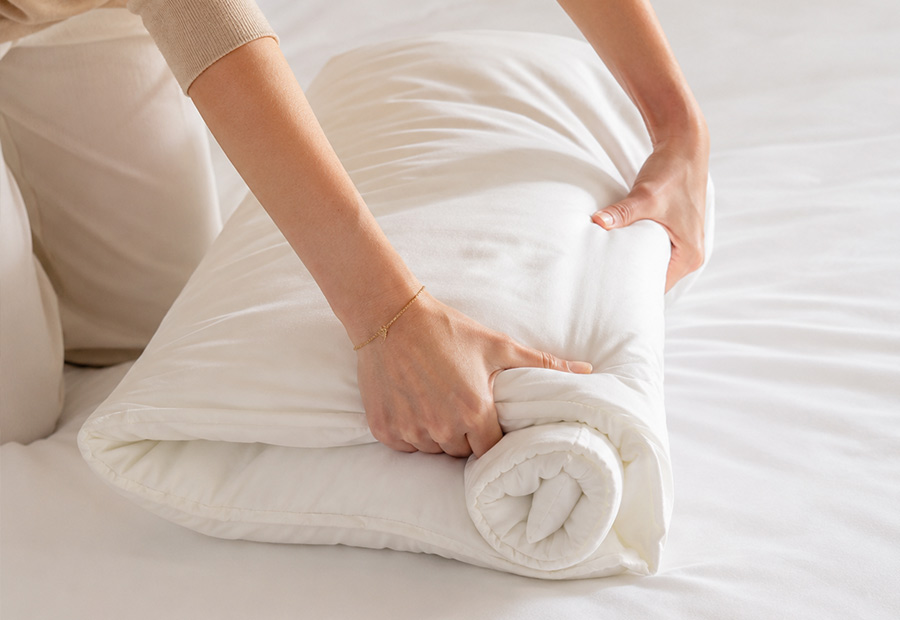
The 3 Fold and 4 Fold pillows can also be folded or rolled to create extra support beneath the neck.
This gives you a pillow that can be aired, reshaped and adapted to suit the support you prefer.
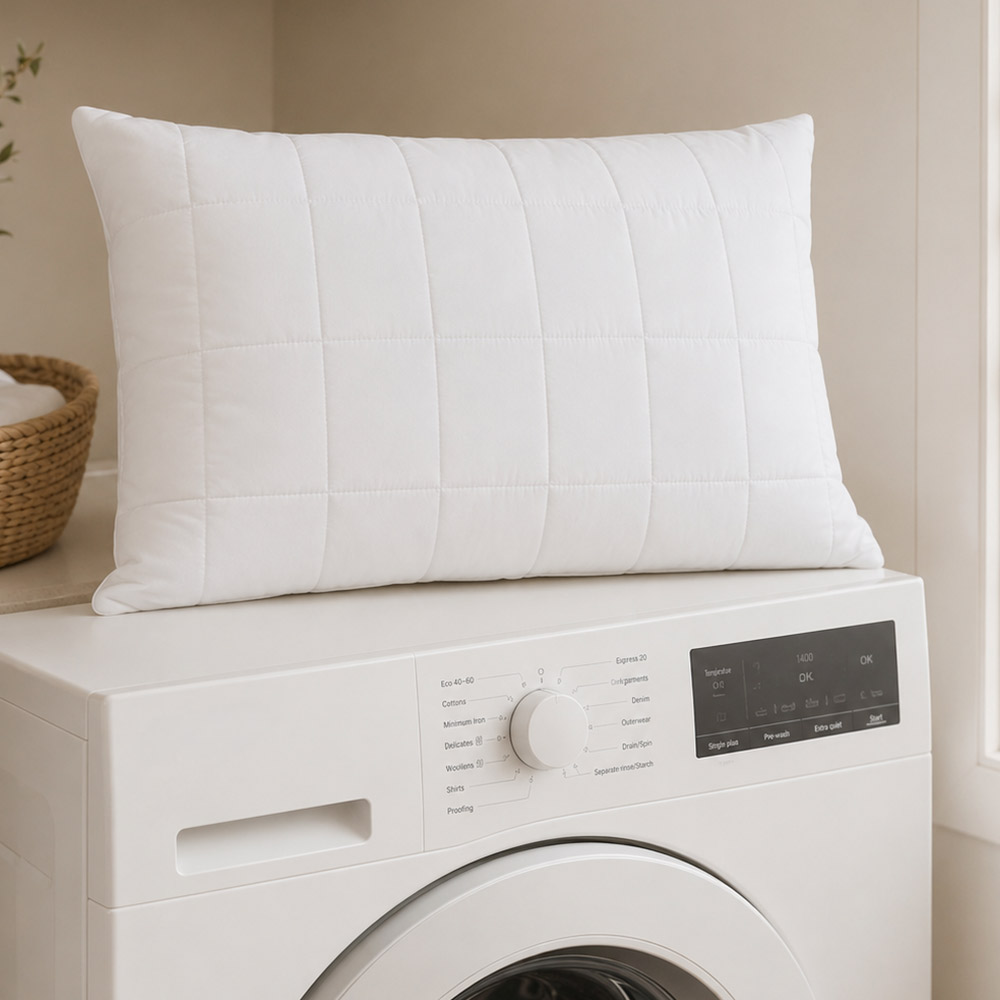
What about washing?
Wool is usually best cared for through regular airing and gentle handling rather than frequent washing.
Different Devon Duvets pillow styles have different care instructions, so always check the product care label before washing.
The loose wool filling can be removed and aired separately. The empty cotton casing may then be washed according to its specific care instructions.
Folding Wool Pillows can be unfolded and washed whole using the correct wool cycle and suitable wool detergent, following the product care instructions carefully.
For full instructions, please read our dedicated guide: How to Care for Your Wool Pillow .
So, how clean is your pillow?
Your pillow is one of the most personal items in your home.
It sits close to your face, supports your head and neck, and shares your sleep space every night.
It therefore makes sense to choose one made from breathable, natural materials and to give it the straightforward care it deserves.
A wool pillow is not about harsh cleaning or complicated routines. It is about natural freshness, regular airing and choosing a fibre that can breathe.
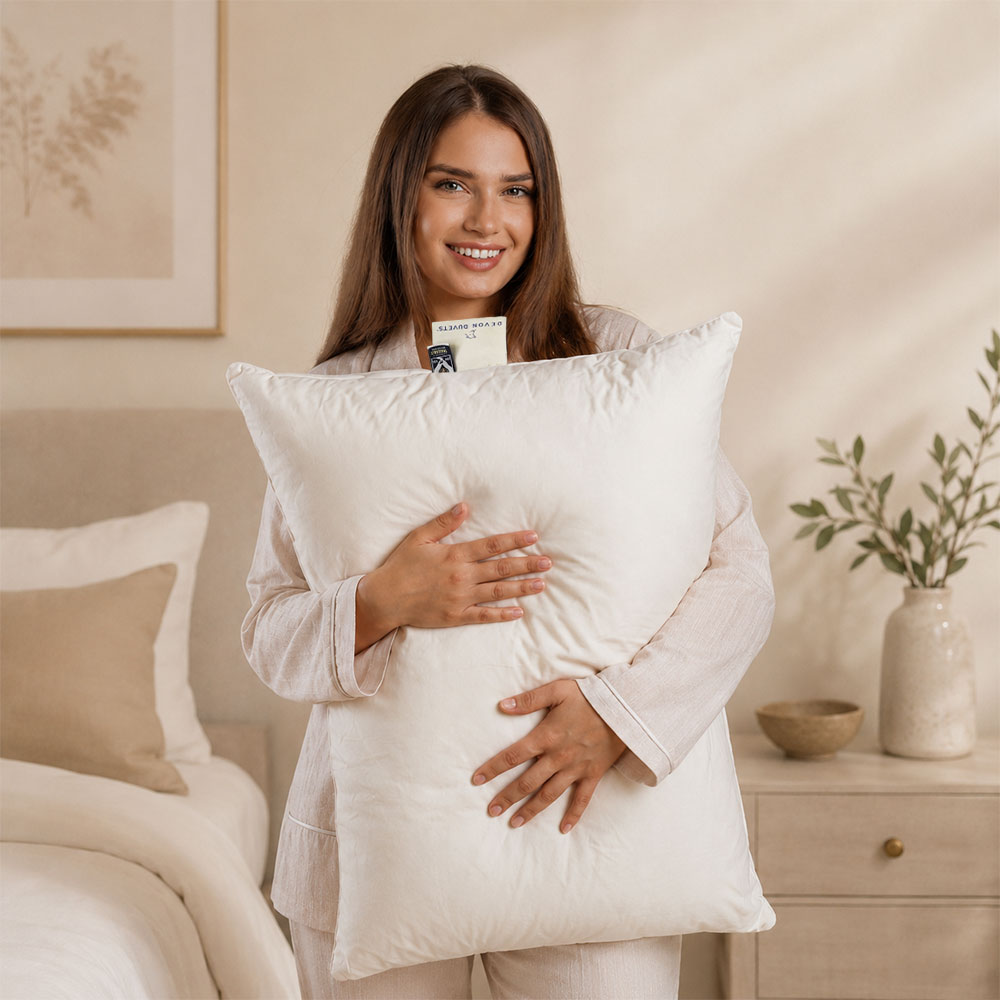
Remove the pillowcase, open the window and let the wool breathe. An absurdly simple act of maintenance in a world determined to make everything require an app.
For help caring for your Devon Duvets pillow, contact our friendly team on 01752 345399 .