
Summer Bedding Tips
Summer nights can create a bit of a challenge when it comes to sleep, so we’ve put together some top tips to help you keep cool and comfortable.
Stay hydrated and choose lighter evening meals
- Drinking a glass of water before bedtime can help to prevent dehydration on hot nights.
- Lighter meals in the evening require less energy to digest, whereas large meals with heavy proteins (such as meat) require more energy to digest, increasing metabolic activity. This can raise body temperature and trigger sweating.
- It’s also best to avoid alcohol and caffeine too close to bedtime because they can disrupt your sleep.

Preparing for bedtime
Your body temperature needs to drop slightly to trigger your body into ‘sleep mode’. Either or both of the following can help, as they trigger your body’s cooling mechanisms.
- Take a warm (not hot) bath or shower about 30 – 45 minutes before bedtime.
- Drink a cup of herbal tea about 30 minutes before bedtime but make sure the tea you choose is completely caffeine free.
Avoid Daytime naps
- Try to avoid long daytime naps; sticking to a consistent sleep schedule keeps your body clock on track.
- If you need to take a nap, then it is best limited to around 20 minutes to avoid feeling groggy and then finding it difficult to fall asleep later.

Ensure an optimal sleep environment
- The ideal bedroom temperature for sleep is between 16°C and 18°C, so keep curtains or blinds closed during the day to help stop the sun heating your bedroom
- Create a cross‑breeze by positioning a fan opposite an open window. Fans are much more energy‑efficient than air conditioning, using less than 5% of the electricity.
- Switch off TVs and computers at night; electronics and ‘blue light’ can overstimulate the brain and delay the production of the sleep hormone – melatonin.
- Opt for loose‑fitting pyjamas made from natural fibres like cotton or bamboo – they are breathable and allow air to circulate. Synthetic fabrics, on the other hand, trap heat and moisture.
- Choose bedlinen made with 100 % natural fibres such as cotton or linen; these materials wick away moisture and promote airflow. Avoid polycotton blends because they retain heat.
- Soft bedding (i.e., duvets and pillows) made with 100% natural materials are breathable and temperature regulating, whereas synthetic fillings trap heat and can make you feel clammy.

The best bedding for warmer nights
- Wool ‘s breathability makes it efficient at temperature regulation and moisture‑wicking – and it’s also naturally resistant to dust mites and micro bacteria. If you sleep on a heat trapping memory‑foam mattress, consider adding a topper made from wool to help regulate temperature. Find out more about our 100% British wool bedding.
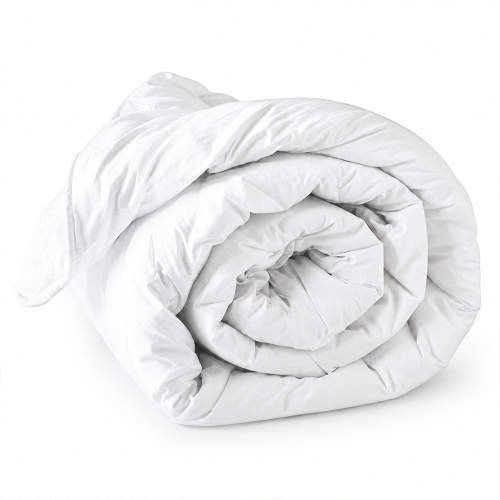
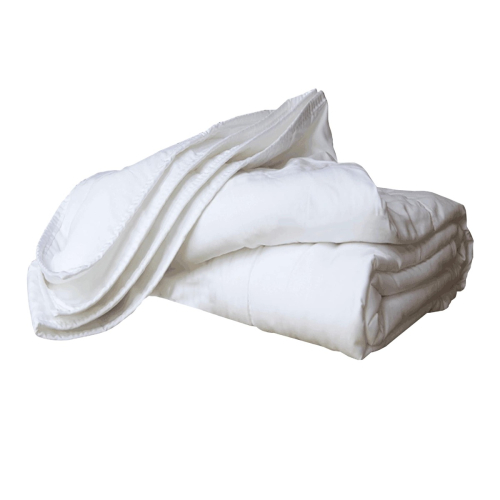
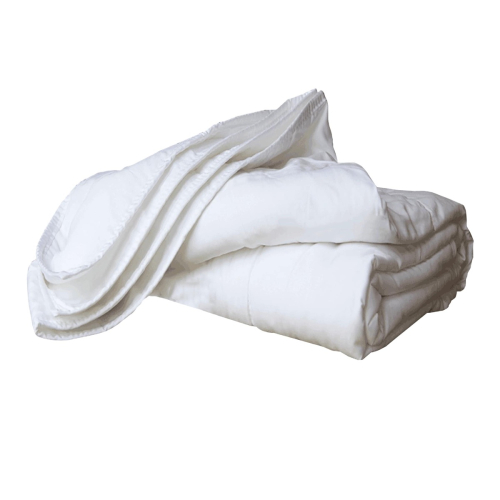
- Our 100% plant-based, wool alternative Botanic range includes an ultralight duvet, designed specifically for warm bedrooms and summer nights. Breathable and moisture wicking, it is filled with fibres containing TENCEL™Lyocell, a natural fibre derived from sustainable wood sources, encased in a soft high quality cotton casing.
All our soft bedding products are natural and sustainable and are individually handcrafted in Devon by experienced seamstresses in our Devon workshops. You can shop now, or if you’d like further information, please get in touch with our knowledgeable team.